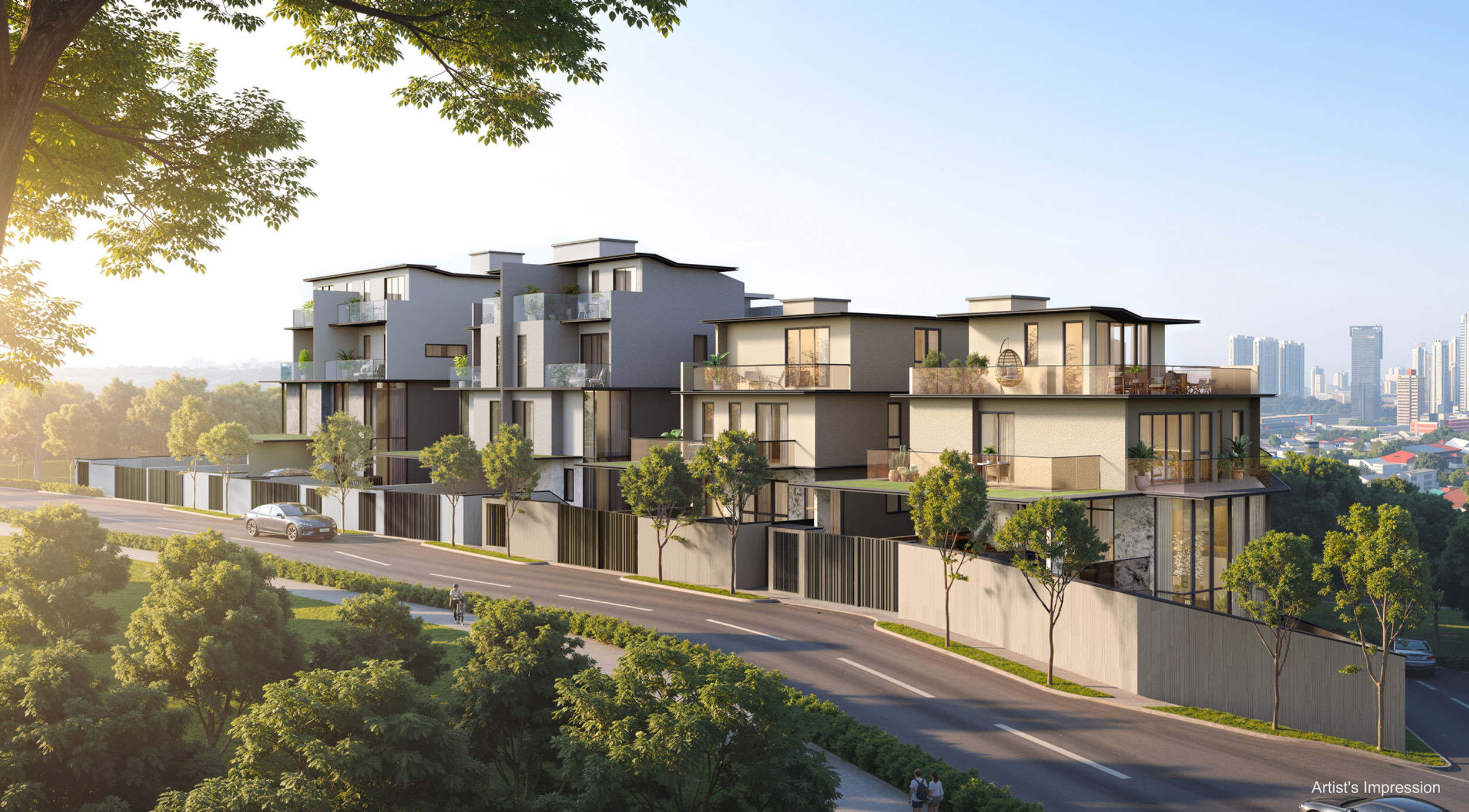
The luxury segment behaves differently from the broader market. Supply is constrained, particularly for landed homes, and demand tends to come from buyers who are less sensitive to short-term shifts in financing. That combination supports prices over the long run, even when the market pauses.
Buyers are more selective. They compare more homes, ask for more evidence and are willing to wait for the right property. For sellers, that means pricing must be grounded in recent transactions rather than optimistic expectations.
Watch the data rather than the commentary. Transaction volumes, price trends by district and by property type, and the timing of new supply tell you more than a single headline. Read the trend over several quarters rather than one month.
New launches and resale homes compete for the same buyers. The choice between them depends on your priorities: a new home may offer modern specifications and a warranty, while a resale home may offer a more established location and an existing track record.
For a buyer, the sensible approach is to plan for the long term, verify the numbers yourself and work with advisers who can explain the trade-offs. For a seller, it is to price with discipline and to present the property well.